
Sitting quietly one spring day in the garden, Edwina sat carving a spoon from willow. Being distracted, she let the crook knife slip. It went right through the side of her thumb, removing a big chunk of flesh as well as part of the nail. It was a sickening moment as bright red blood spurted from the wound as an arteriole was severed. It was a very deep cut, taking off the corner of her thumb, and it was all becoming a bleeding mess (excuse the pun!) as the blood just flowed and wouldn’t stop.
Right next to her was Yarrow (Achillea Millifolium), which grew in a pot. Grabbing a chunk of the leaves, she chewed it up into a spit poultice and placed the green, fern-like wad over the missing flesh and held it there. Within 30 seconds, the bleeding stopped.
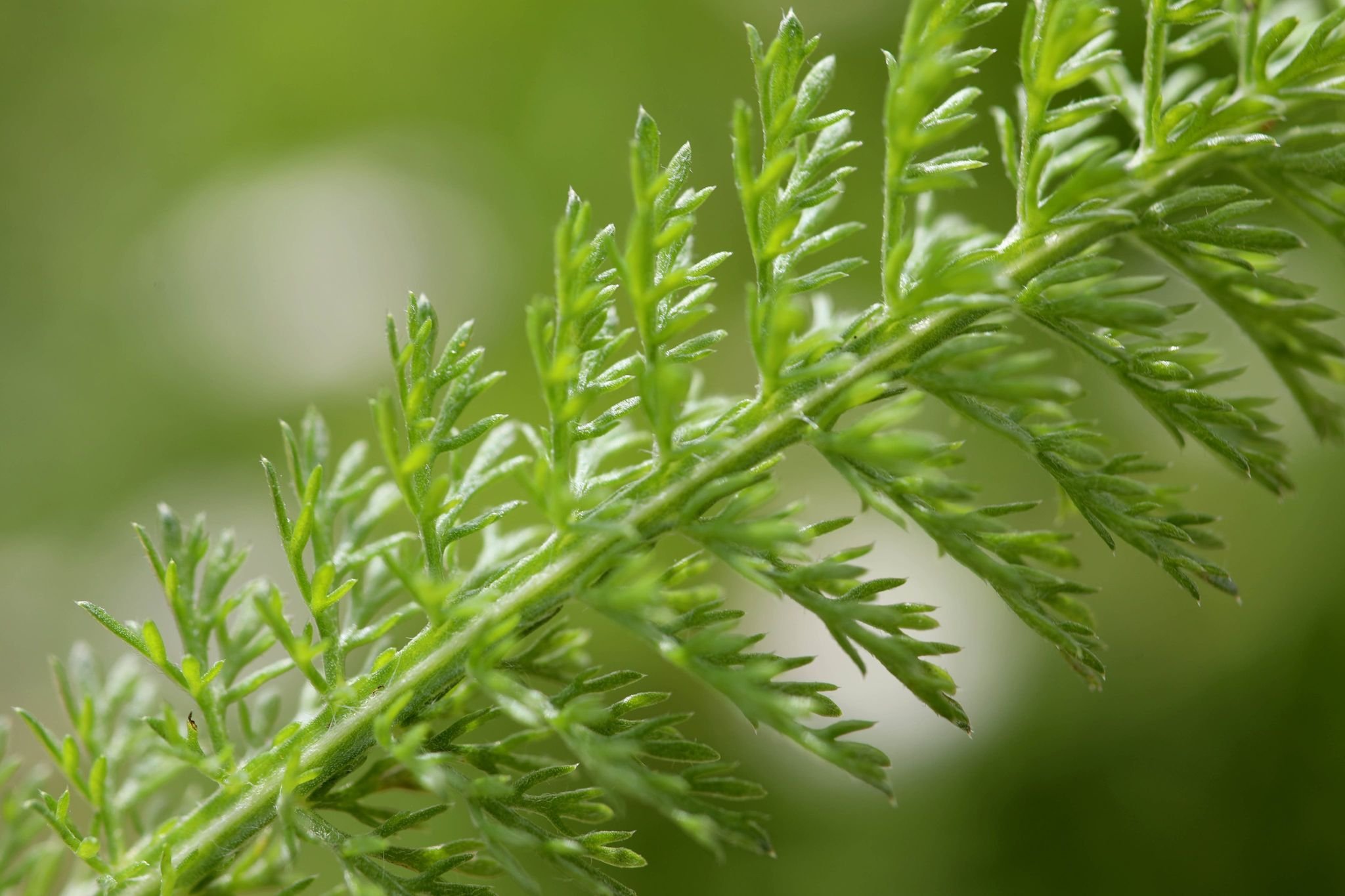
Yarrow
No surprise there at all, it was what was expected as Yarrow has a reputation for stopping bleeding. It’s a premier wound-healing herb that soldiers carried into battle to help stop bleeding from deep wounds that often caused arterial bleeding, earning it the name of “soldier’s woundwort”. Yarrow carries the name of the ultimate warrior of Greek mythology, Achilles, and the plant was named after him; Achillea. Its use in battlefields never ceased, and it was even used in both World Wars to help stop bleeding. Yarrow was packed into open wounds to stem haemorrhage, and its anti-microbial and anti-bacterial action helps in disinfecting a wound. It is a herb used for cuts to the bone and involves the bright red arterial blood.
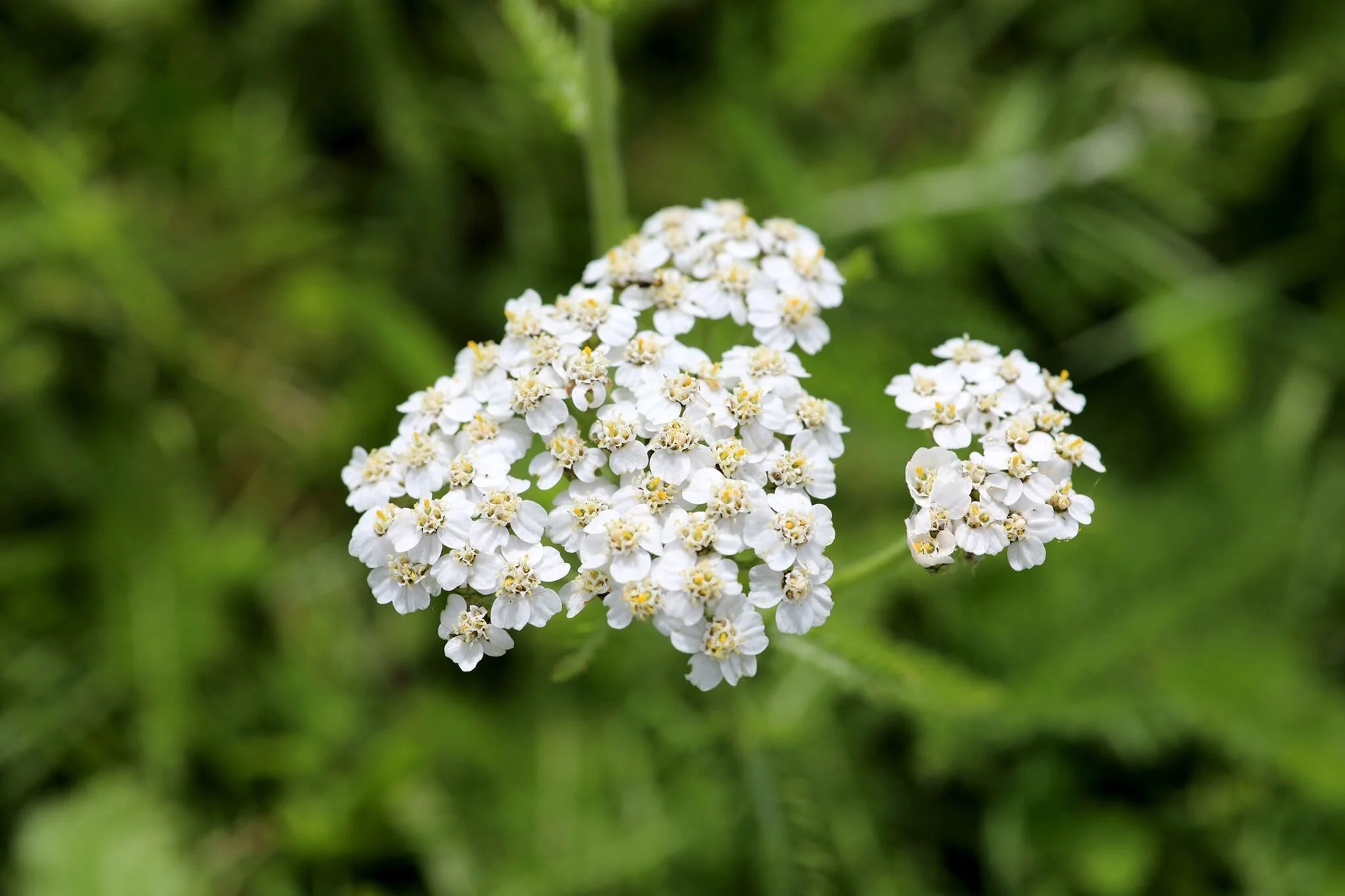
Yarrow flower
Yarrow contains silica and tannins, which can help speed up clotting and heal cuts. It can reduce blood flow to the area, tone and tighten tissue, as well as disinfect it.
However, it’s one thing to read about it and another to see Yarrow in action. Yarrow not only stopped bleeding very quickly as the blood clotted into the mass of leaflets, forming a dressing that was immediately secured with a bandage. The lack of pain was noticeable and it healed quickly, with no infection. There was very little scarring and the nail eventually grew back. The only evidence of it, a few years later, is in a dent in the shape of the side of the thumb. On chatting about Yarrow to a herbal colleague later, that herbalist reported similar effects with yarrow stopping bleeding and healing an injury.
Of course, there are other herbs such as Horsetail, Plantain, Rosebay willow herb, oak or daisy that could have been used. But in that moment, it was close by and in season. Ancestors would have used what was available at the time. Our ancestors and indigenous people were very knowledgeable about herbal medicine for acute conditions in a way that we are only now just relearning.
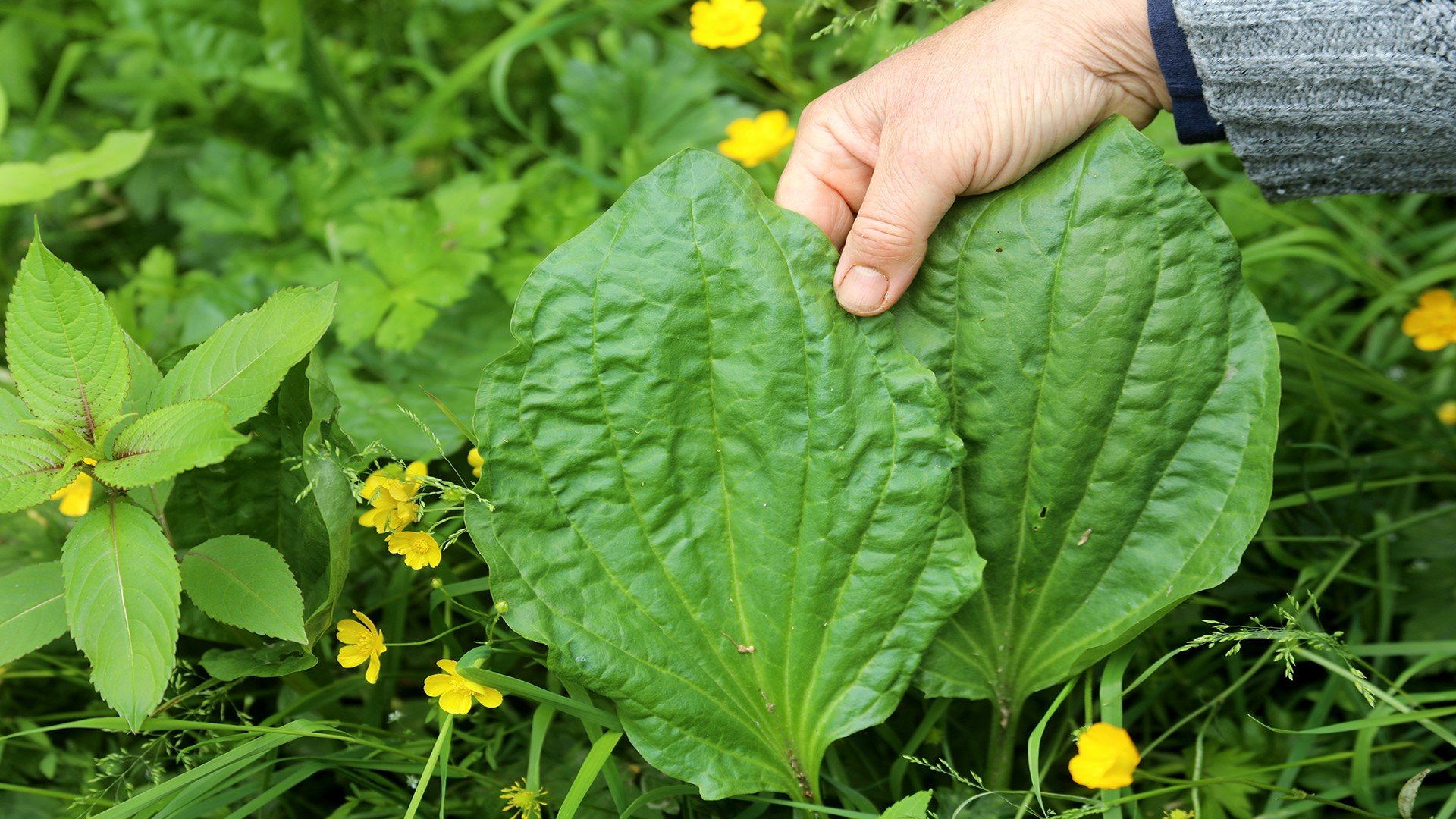
Broadleaf plantain
Another herbal first aid moment was at a festival when someone contacted Edwina for help with an infected tooth extraction cavity that was very painful and exuding pus. She suggested a Plantain (Plantago Major) poultice instructing the woman to make a wad of plantain leaves, chew them to bruise them and place them on the infected cavity and keep it there for as long as she could. The results were astounding. Not only did the pain stop immediately the woman reported the next day how much better her mouth tasted and how the plantain had cleared the infected cavity.
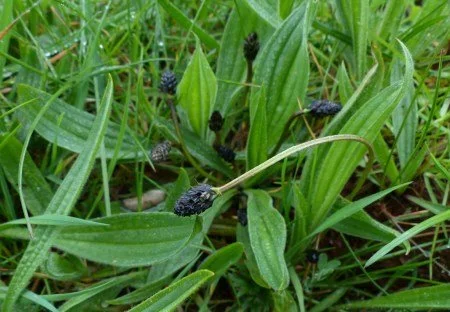
Ribwort Plantain
Plantain is an amazing remedy for first aid with it’s calming anti-histamine effects on bites and the ability to heal and clean up wounds, draw out splinters, and infection from wounds.
Edwina and Danielle have both worked with other medical herbalists in a first aid and acute medicine capacity on the anti-fracking frontlines and protest camps. Here with a large community of protesters to support and often with injuries from conflict with the police and security, and living our doors in camps, often in rural areas, people had a wide range of injuries from extensive bruising, broken ribs, sprains, insect bites, minor burns from campfires, colds flu, chest infections and fever. We made medicines from the land and, based in a herbal caravan, learned the art of using herbal medicine for acute situations.
Edwina has a background as a nurse and Danielle has also worked extensively with herbal first aid at festivals, experiencing first-hand how powerful herbs can be when used in this way.
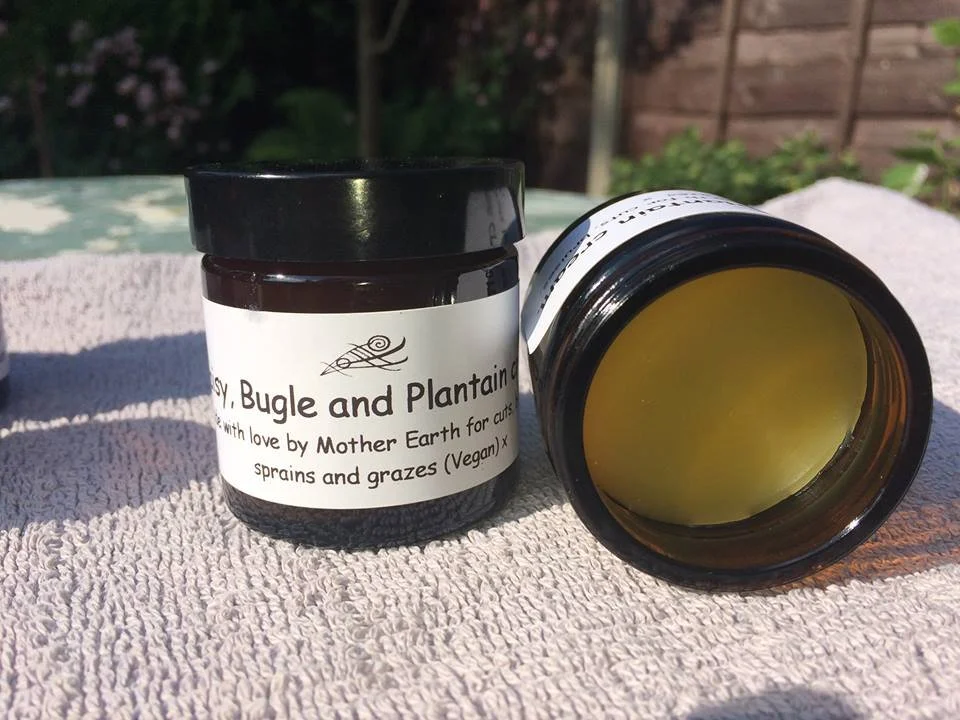
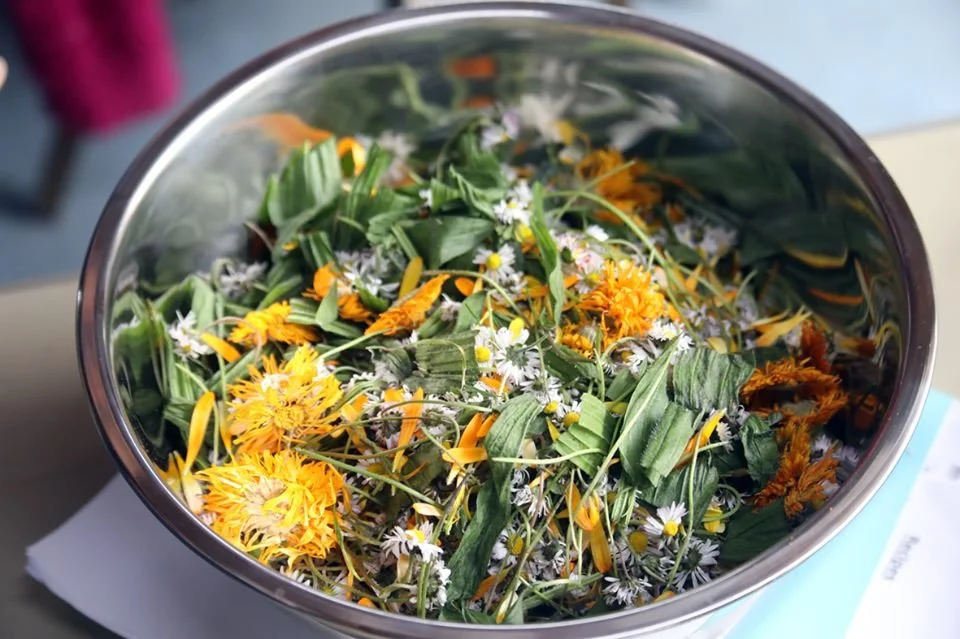
Daisy, Plantain and Bugle Salve
Now we are not suggesting for a moment that if someone is badly injured and needs medical support, that you rush out with a pot of daisy and plantain balm and it would be sufficient. There are times when a trip to the local A&E department is what’s needed and some of the best that modern medicine can offer. There are also those times when you may be in the wild or when your cut finger or horsefly bite is not severe enough to warrant an afternoon in A&E, but it does need some attention. In more recent times of Covid lockdowns, people realised just how fragile our healthcare system is and how much we need to explore other ways of caring for our health needs and supporting our families and communities. This is where good herbal knowledge is needed. The knowledge that our ancestors once had, when Roman army surgeons sent slaves picking daisies for wound care for battle-injured soldiers or that Pot Marigold (Calendula officinialis) and sphagnum moss were used in field dressings in the Great war to good effect.
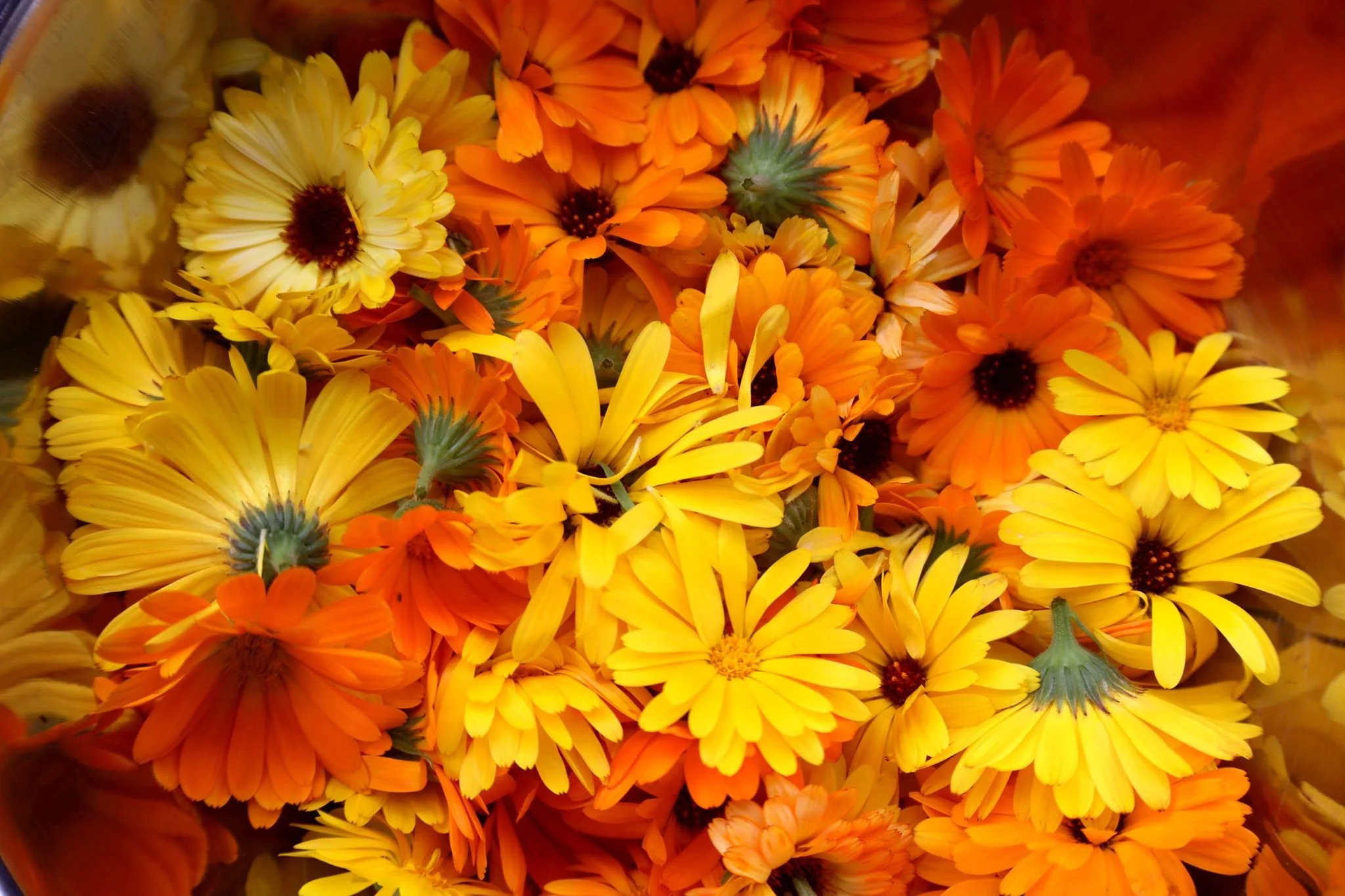
Pot Marigold
Having seen the way Daisy (Bellis perennis) can clear up a bruise, how Marigold can heal a wound or Bugle (Ajuga reptens) can take the pain away from a wound or broken bone. We know that it is a myth that our ancestors were not without help from the natural world or that the herbs they used were not effective. We know from personal experience how Spruce resin heals a wound, how Comfrey (Symphytum officinale) heals fractures quickly and the effectiveness of the herbs in fevers. What is sad is how much of this knowledge has been lost to us, and that the things we should have learnt as children, such as how to use a plantain spit poultice on a horsefly bite, were not taught to us. What a difference that would have made if the knowledge had been passed on. What a difference we can make if we pass this knowledge on now we have learnt it.
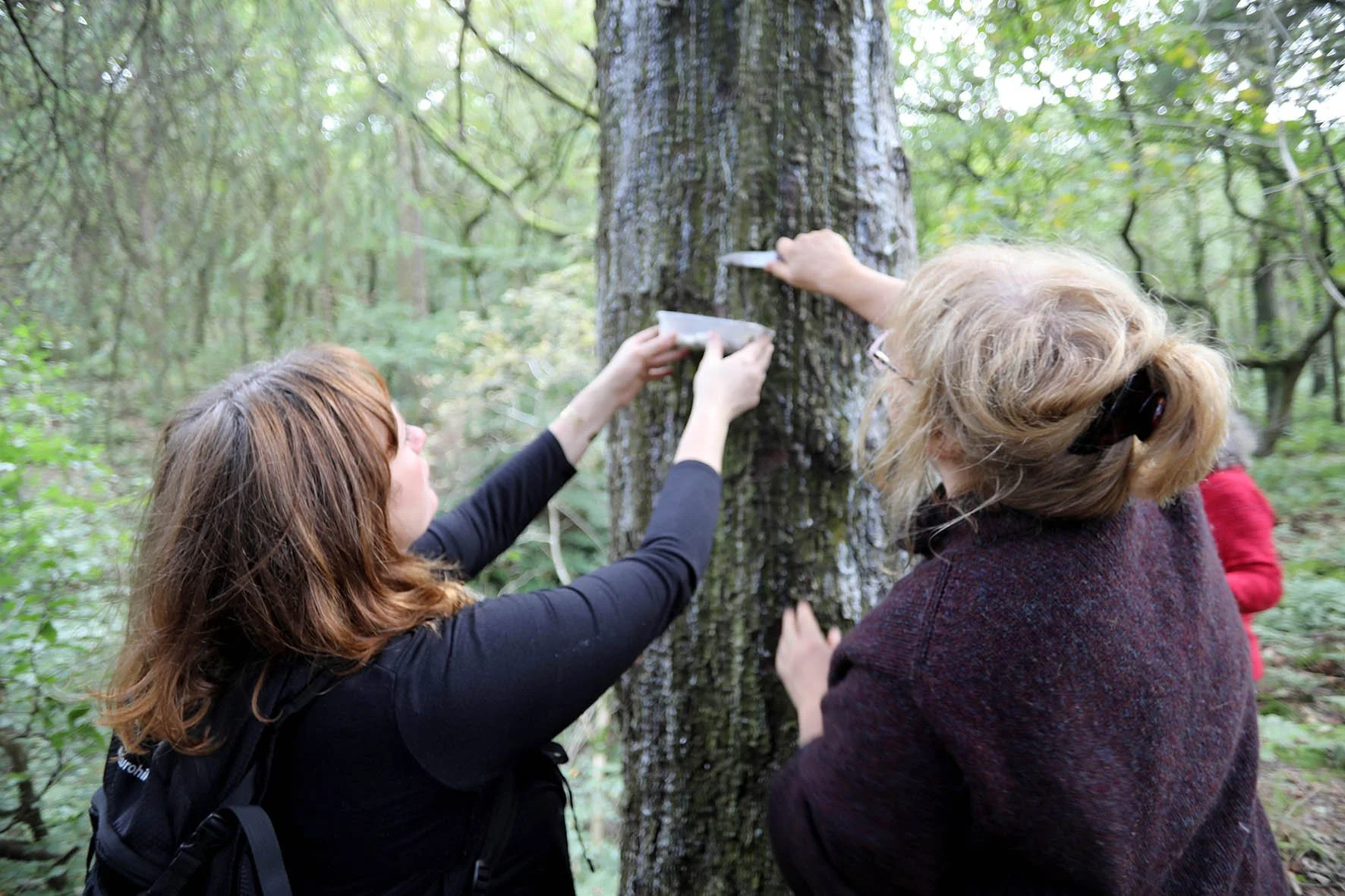
Collecting Spruce resin for salves
One of the things that we are both passionate about is passing on this knowledge and the skill of how to make medicines from the land for the home dispensary.
This month on Wild Medicine Tribe, on Wednesday 20th August 7pm - 9pm, our Online Masterclass is on Herbal First Aid. You can either join us online for the Masterclass on herbal first aid at £20 or combine that with lots of how-to videos, herb walks, and making of eco-crafts at £35
You never know when you might need these skills!
Wild Green Blessings
Edwina and Danielle x
